
Computer-Controlled Anesthesia in Pediatric Dentistry: A Comprehensive Clinical Guide to CCLAD Systems

Dental anxiety affects up to 90% of pediatric patients, with the anesthetic injection serving as the primary barrier to effective care. For young patients, negative experiences with traditional syringes can establish lifelong patterns of dental avoidance, affecting oral health outcomes into adulthood.
The traditional syringe presents both psychological and physiological challenges. Its visually intimidating appearance triggers fear before treatment begins, while manually controlled injection pressure causes significant discomfort through rapid tissue distension.
Computer-Controlled Local Anesthetic Delivery (CCLAD) systems represent a paradigm shift in pediatric pain management. These devices transform anesthesia from a technique-dependent art into a technology-assisted science, offering clinicians precise control over anesthetic delivery and delivering a nearly imperceptible injection experience.
This comprehensive guide examines CCLAD technology, clinical evidence from 2023-2025 research, and practical strategies for integration into modern pediatric dental practice. click here
Local Anesthesia in Modern Dentistry: Complete Clinical Guide

Executive Summary: This comprehensive clinical guide explores the science and practical application of local anesthesia in modern dental practice. From understanding nerve conduction and action potentials to mastering mandibular nerve blocks and managing the "hot tooth," this guide equips clinicians with evidence-based protocols for achieving predictable, profound anesthesia. Learn essential techniques for both routine and complex cases, manage complications confidently, and understand how to tailor anesthesia for special populations including pediatric patients and medically compromised individuals. read the article
Apicoectomy: Indications, Procedure Steps, and Post-Operative Care
 |
| Apicoectomy of buccal roots of upper first molar |
As dental professionals, we often encounter cases where standard root canal therapy (RCT) is insufficient to resolve persistent periapical pathology. When faced with such challenges, an apicoectomy, or root-end surgery, is a critical procedure that can salvage a tooth that might otherwise require extraction. This article delves into the clinical indications, procedural steps, and post-operative considerations of apicoectomy, providing a detailed overview for dental practitioners aiming to expand their endodontic expertise. click here to read the guide
Implant Overdentures: a clinical guide step by step

Implant overdentures are a type of dental prosthesis that offers patients improved stability, retention, and comfort compared to traditional dentures. Unlike conventional dentures, which rest on the gums, implant overdentures are supported by dental implants placed in the jawbone. This makes them an excellent option for patients with significant bone loss or those seeking better denture stability. click here
Best Oral Surgery Books: Top Resources for Aspiring and Experienced Surgeons

Whether you’re an aspiring oral surgeon or a seasoned professional looking to expand your knowledge, having the right resources is essential. The world of oral surgery is constantly evolving, and staying up-to-date with the latest techniques and procedures is crucial for success. Below, we’ve compiled a list of the best oral surgery books that will guide you through every step of your learning journey. These carefully selected books offer valuable insights, from fundamental knowledge to advanced practices. Plus, they are available for purchase through our affiliate links, so you can easily add them to your collection. click here
Surgical Treatment of Oral Mucoceles: A Comprehensive Guide for Dentists
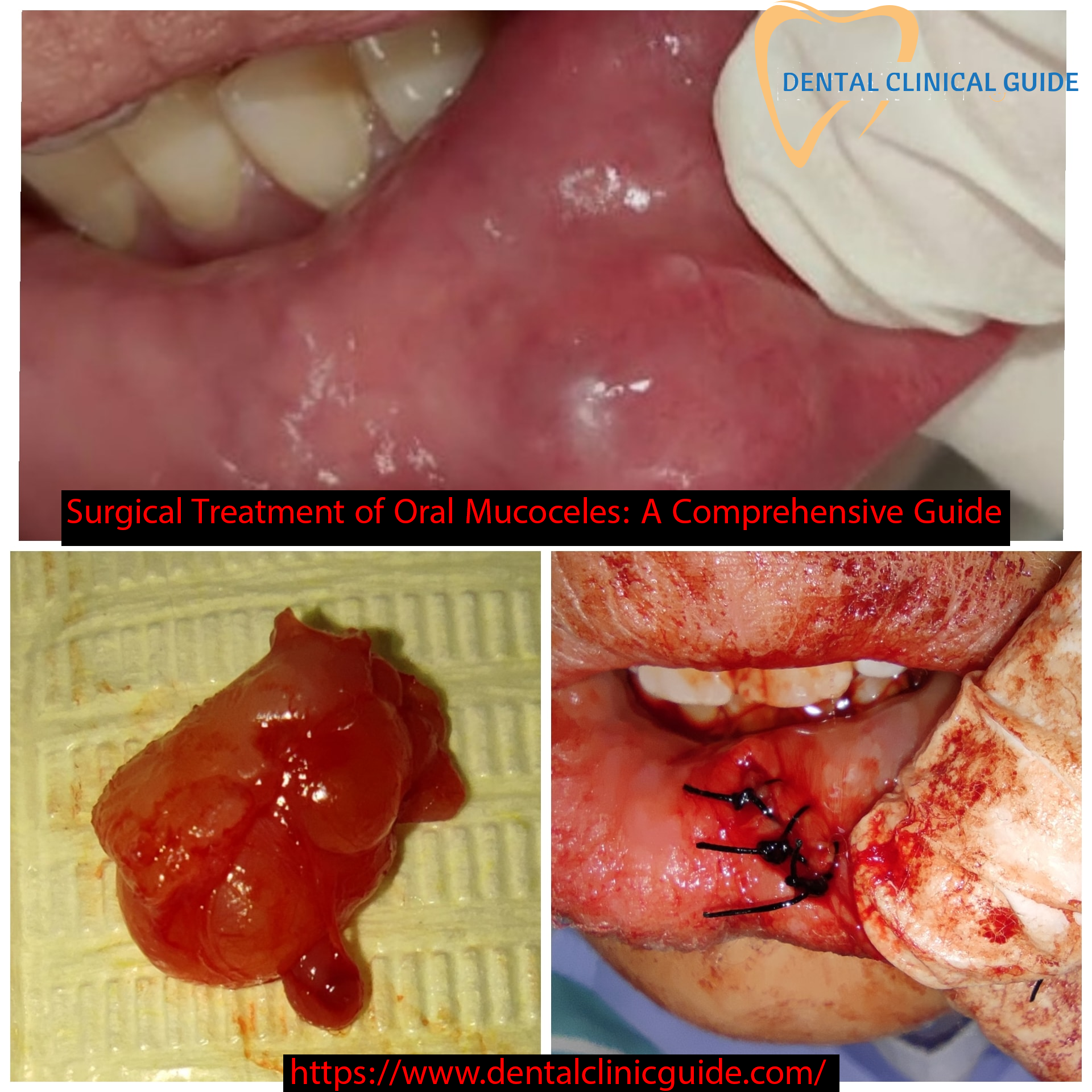
Oral mucoceles are a common benign lesion found in the oral cavity, typically resulting from the rupture or blockage of a salivary gland duct. Though they are not life-threatening, they can cause discomfort and aesthetic concerns for patients. For dental professionals, understanding the diagnosis, indications for surgery, and appropriate treatment options is essential for ensuring optimal patient care. This article will delve into the surgical treatment of oral mucoceles, with a focus on clinical techniques, outcomes, and patient management. click here
Management of Impacted Canines: Surgical Techniques & Orthodontic Solutions for Dentists

Impacted canines are a common yet challenging issue in dental practice. Maxillary canines are the second most frequently impacted teeth after third molars, and their management requires a strategic combination of surgical and orthodontic interventions. In this article, we will explore the causes, diagnosis, and treatment options for impacted canines, with a particular focus on surgical exposure techniques, orthodontic follow-up, and potential complications. click here
How to Remove a Fractured Apical Third Root Tip Safely

Dealing with fractured root fragments—especially the apical third of molars—can be one of the most challenging situations in oral surgery. The difficulty is even greater when direct vision is limited due to anatomical constraints, bleeding, or accessibility issues. Fortunately, there’s a minimally invasive technique that can help you manage these cases efficiently while reducing trauma for the patient. click here